
Please wait...
01
"Discover the Science Behind Smart Property Choices."
02
"Invest Wisely, Live Better with PropertyScience."
03
"Unbiased Advice, Data-Driven Results."
04
"The Smarter Way to Find Your Perfect Property"
The rating benchmarks past performance of developers against their future expected performance. This helps gauge whether the developer can meet his/her future expected performance, or is likely to default. As financial information of developers is hard to procure, the model uses the next best alternative that is on-ground performance to determine results.
These four parameters determine the probability of default on the execution side. Higher the score achieved, lower is the probability of default.

Can the developer meet deadlines at the current construction pace? If not, by how much must the pace increase?
How much is the delay in the exisiting project?
Is sale volume good enough? Has the developer sold nearly 2.75% of the stock on a monthly basis in the last 12 months?
Can the developer meet deadlines at the current construction pace? If not, by how much must the pace increase?
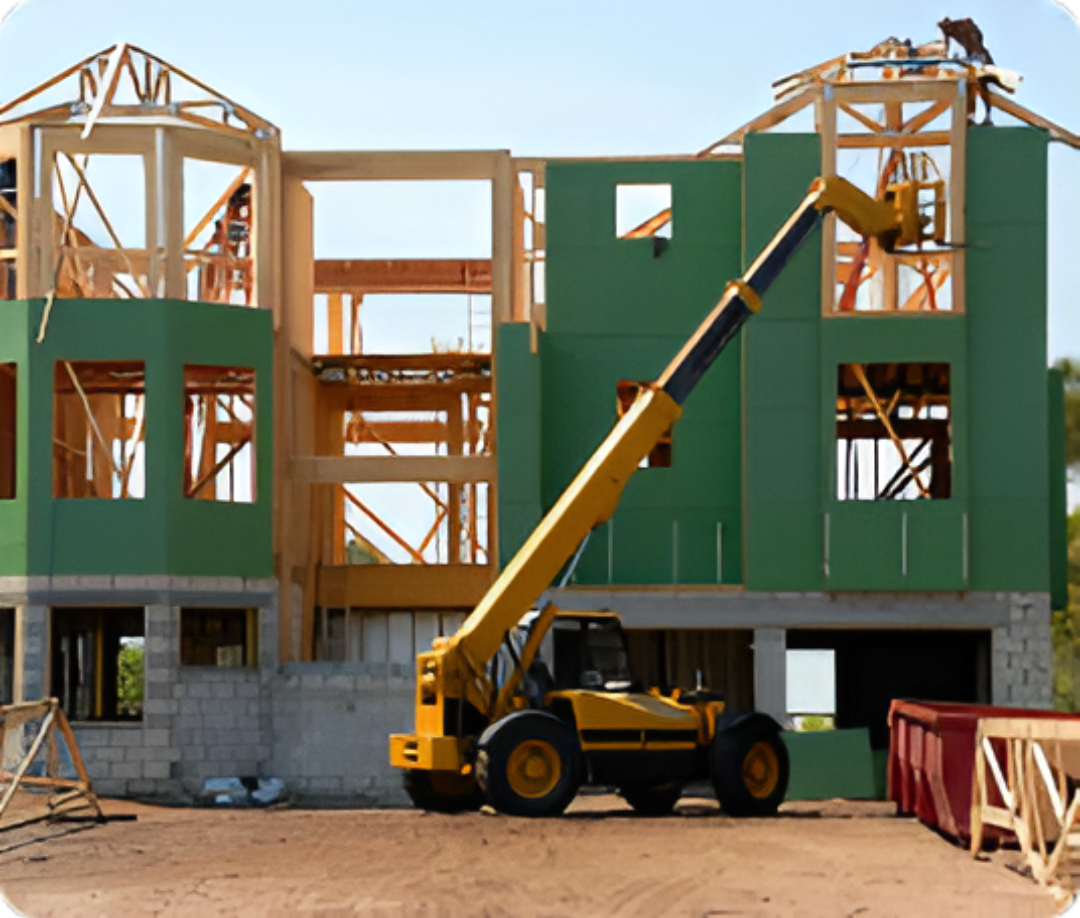
The execution risk measures the default probabilities in the timely execution of the project, following attributes are considered to measure the execution risk.

If the project is 100% complete, then the project has no execution risk.

A cumulative score that includes project’s Saleability, Technical soundness and Performance parameters.

If the project is 100% complete, then the project has no execution risk.

It measures the average quarterly construction in the last 12 months.

The ratio of existing average pace of construction in the project vs the pace required to complete the remaining construction.

Based on the stock sold and % completion of the project, the approximate receipt is assessed and measured against the average monthly construction cost of the project.

Price productivity of all projects by the developer.
Delays in the past performance of the developer.
The assessment is carried out for the entire portfolio of the developer. It is an aggregation of four attributes.

This shows the current construction progress of all the projects and assesses whether the developer is over committed or not.
Price correction risk measures the probability and degree of price correction in a project, following attributes are considered for price correction risk (PCR).
The saleability of the project is measured from its price efficiency, product efficiency and attained sales velocity against its catchment.
The % average monthly sales registered by the project.
Ideal value of 2.08% has been considered, suggesting a sales gestation of 48 months (4 years).
It is the habitability index divided by the size of the inventory. The ideal inventory is 1.25 times of the annual sales.

It is based on location level attributes that represent the health and efficiency of the market in a specific micro market or region.

Also known as inventory overhang, the ideal value is 15 months.

Lorem ipsum dolor sit amet, consectetur adipiscing elit, sed do eiusmod tempor incididunt ut labore et dolore magna aliqua. Ut enim ad minim veniam, quis nostrud exercitation ullamco laboris nisi ut aliquip ex ea commodo consequat.
 contact@liasesforas.com
 +91 9833344500
Follow Us


© PropertyScience 2024 | All Rights Reserved